The integration of 5G networks with IoT technology marks a pivotal shift in connectivity paradigms. Enhanced data exchange and improved device interoperability are notable outcomes of this synergy. However, the implementation of such advanced infrastructure is not without its challenges. Understanding the dynamics at play can provide insight into the potential and limitations of this integration. What implications might this hold for future technological landscapes?
How 5G Enhances IoT Connectivity and Performance
As 5G technology continues to roll out globally, its impact on Internet of Things (IoT) connectivity and performance becomes increasingly significant.
Enhanced network reliability facilitates seamless device interoperability, enabling diverse devices to communicate efficiently. This improved connectivity supports real-time data exchange, reduces latency, and increases overall system performance.
Thus, empowering users to leverage IoT applications more effectively while maintaining the autonomy they seek in a connected world.
Exploring Real-World Applications of 5G and IoT
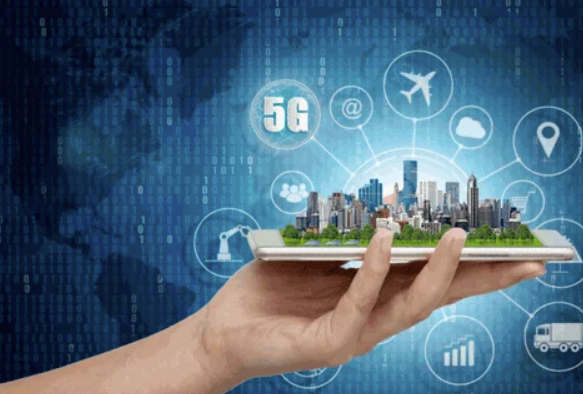
The integration of 5G technology with IoT systems has catalyzed a multitude of real-world applications across various industries.
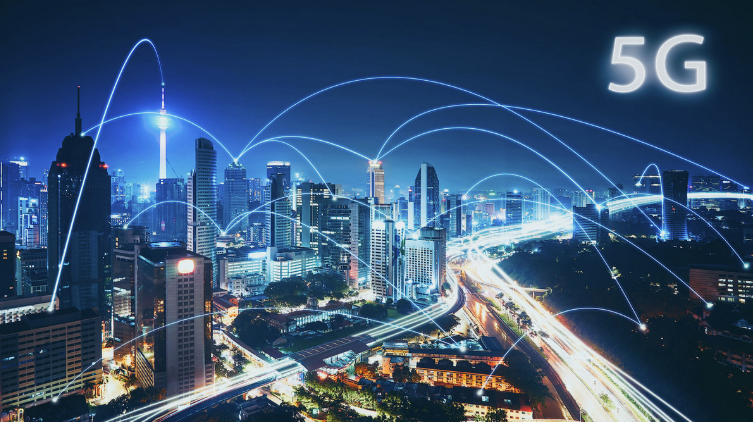
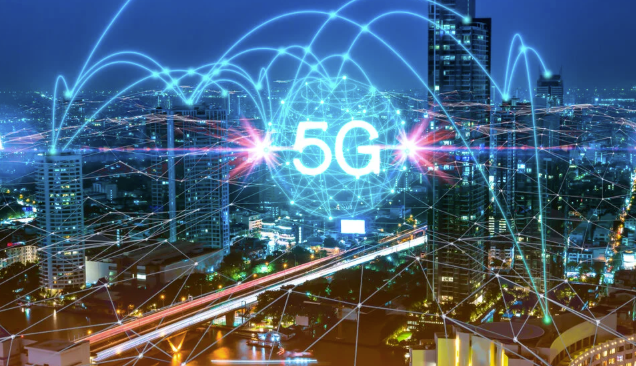
In smart cities, enhanced data transmission facilitates efficient traffic management and resource allocation.
Concurrently, industrial automation benefits from real-time monitoring and control of machinery, significantly improving operational efficiency and reducing downtime.
These advancements underscore the transformative potential of 5G and IoT in modern infrastructure and industry.
Key Challenges in 5G and IoT Integration
While the integration of 5G and IoT presents significant opportunities, it also encounters numerous challenges that must be addressed for successful deployment.
Key issues include heightened security vulnerabilities arising from increased device connectivity and the substantial deployment costs associated with infrastructure upgrades.
Addressing these challenges is critical to ensure robust, secure, and cost-effective integration, paving the way for future advancements in technology.
See also: The Future of Tech in Home Automation and Energy Efficiency
The Future of 5G and IoT: Trends and Predictions
Although the integration of 5G and IoT continues to evolve, several trends and predictions are emerging that will shape the landscape of connectivity in the coming years.
The rise of smart cities will drive demand for real-time data analytics, while industrial automation will benefit from enhanced device interconnectivity.
These advancements will foster greater efficiency, sustainability, and innovation across various sectors, revolutionizing urban and industrial environments.
Conclusion
In conclusion, the integration of 5G networks with IoT technology is akin to upgrading a bustling highway system with smart traffic lights that adapt in real-time, optimizing flow and reducing congestion. As these technologies converge, they promise to unlock unprecedented efficiencies and innovation across industries. However, navigating the challenges ahead is crucial for realizing their full potential. With a commitment to overcoming these hurdles, the future of smart connectivity holds the promise of transformative advancements in daily life and infrastructure.