5G technology represents a significant shift in communication frameworks. Its remarkable speed and reduced latency promise to enhance various aspects of daily life. Individuals can expect a transformation in how they interact, from messaging to telemedicine. However, the implications of this shift are complex. As industries adapt, questions arise about the challenges of implementing such technology. What does this mean for future connectivity and our society at large?
How 5G Technology Works and Its Key Features
Although 5G technology is often lauded for its potential to revolutionize communication, understanding its underlying mechanics and key features is essential for grasping its significance.
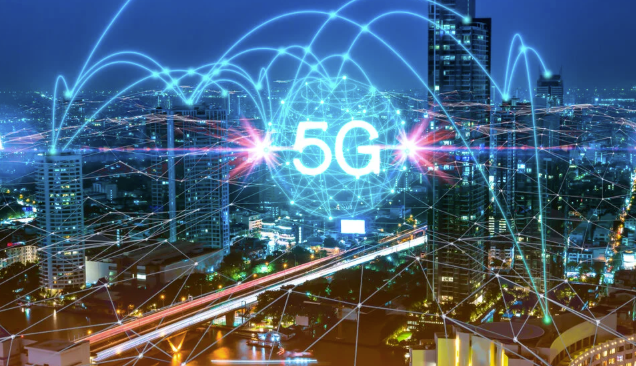
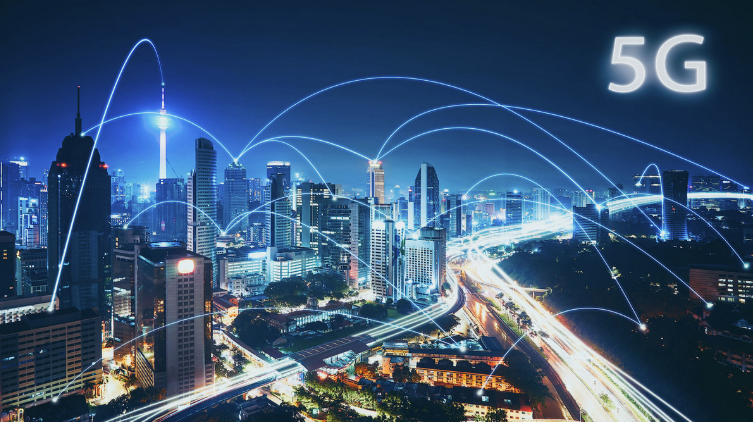
Central to 5G is its advanced network architecture, which enhances signal propagation through dense urban environments. This design allows for lower latency and higher speeds, creating a more efficient communication framework that empowers users with unprecedented connectivity and freedom.
The Impact of 5G on Everyday Communication
As 5G technology becomes increasingly integrated into daily life, its profound impact on everyday communication is becoming evident.
Instant messaging has become more instantaneous, allowing users to connect seamlessly across the globe.
Similarly, video conferencing experiences are vastly improved, offering high-definition quality and minimal latency.
This enhanced connectivity fosters more meaningful interactions, empowering individuals to communicate freely and effectively in an increasingly digital world.
Transforming Industries: 5G Applications in Telemedicine and Smart Cities
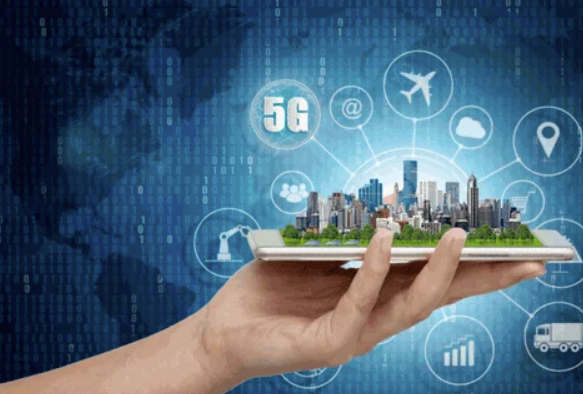
While 5G technology primarily enhances personal communication, its transformative potential extends far beyond individual interactions, significantly reshaping industries such as telemedicine and smart cities.
Telemedicine advancements leverage 5G’s low latency to enable real-time remote diagnostics, improving patient care.
Meanwhile, smart city innovations utilize 5G for efficient resource management, enhancing urban living and connectivity, ultimately fostering a more integrated and responsive environment for citizens.
See also: The Future of Tech in Home Automation and Energy Efficiency
Challenges and Considerations for 5G Implementation
Despite the promising advancements that 5G technology offers, its implementation faces several significant challenges and considerations that must be addressed for successful integration.
Regulatory hurdles complicate the deployment of necessary infrastructure, demanding substantial investments.
Moreover, the need for widespread network coverage raises questions about resources and prioritization.
Addressing these challenges is crucial to unlocking the full potential of 5G for society.
Conclusion
As 5G technology unfolds, it promises to be the modern-day philosopher’s stone, transforming the very fabric of communication. With its ability to transcend geographical barriers and enhance human connectivity, 5G is poised to elevate interactions to unprecedented levels. However, as with any powerful tool, it brings challenges that must be navigated with care. Ultimately, the successful integration of 5G will not only redefine personal and professional communication but also shape the future landscape of our digital society.