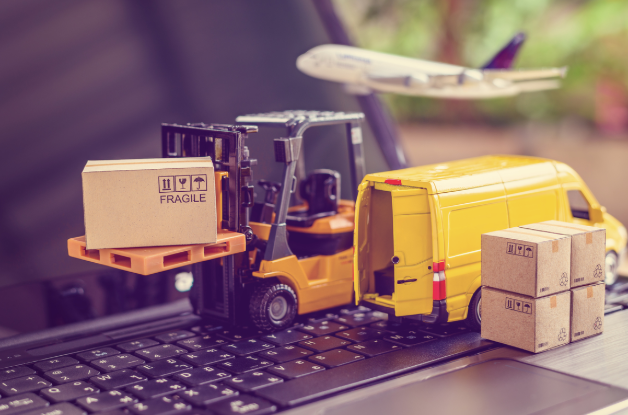
Technology is fundamentally transforming supply chain management. Real-time tracking enhances inventory visibility, allowing for precise stock level monitoring. Advanced analytics facilitate data-driven decision-making, optimizing various processes. Automation reduces human error and lowers carrying costs by streamlining operations. Meanwhile, artificial intelligence improves demand forecasting and responsiveness. These developments suggest a shift toward greater efficiency and competitiveness. However, the implications of these changes warrant further examination. What challenges might organizations face in this evolving landscape?
The Role of Real-Time Tracking in Supply Chains
As supply chains become increasingly complex, the integration of real-time tracking technology emerges as a critical factor in enhancing operational efficiency.
This technology significantly improves inventory visibility, allowing businesses to monitor stock levels accurately. Consequently, shipment accuracy is elevated, reducing delays and errors.
Leveraging Advanced Analytics for Data-Driven Decisions
Real-time tracking technology provides a foundational layer of visibility in supply chains, yet the true power lies in harnessing advanced analytics to translate this data into actionable insights.
How Automation Enhances Efficiency and Reduces Costs
Automation revolutionizes supply chain operations by streamlining processes and minimizing human error.
By implementing automated systems, companies achieve process optimization, enhancing workflow efficiency. These systems facilitate precise inventory management, reducing excess stock and associated carrying costs.
Consequently, businesses can allocate resources more effectively, leading to significant cost reductions. Ultimately, automation empowers organizations to operate with greater flexibility and responsiveness in a competitive marketplace.
See also: The Future of Tech in Home Automation and Energy Efficiency
The Impact of Artificial Intelligence on Supply Chain Responsiveness
While traditional supply chain models often struggle with delays and inefficiencies, the integration of artificial intelligence (AI) significantly enhances responsiveness across various stages of the supply chain.
AI-driven predictive modeling enables precise demand forecasting, allowing businesses to anticipate customer needs and adapt swiftly.
This strategic application of technology not only reduces lead times but also fosters greater agility and flexibility within supply chains, empowering organizations to thrive.
Conclusion
In conclusion, the integration of technology in supply chain management serves as a modern-day compass, guiding organizations through the complexities of logistics. Real-time tracking, advanced analytics, automation, and artificial intelligence collectively enhance operational efficiency and responsiveness. As businesses navigate an increasingly competitive landscape, these innovations not only reduce costs but also empower data-driven decision-making, ultimately positioning companies for sustainable growth and resilience in the face of market fluctuations. The future of supply chains is indeed bright, illuminated by technological advancement.